Biophilia

The concept of biophilia suggests an instinctive bond between human beings and other living systems. Biophilia is the science exploring the human connection to nature and all living things. In his 1973 book The Anatomy of Human Destructiveness, Sociologist Erich Fromm described it as “the passionate love of life and all that is alive.” Biologist Edward Wilson wrote in 1984 that human beings are biologically hardwired to need a connection with the natural world.

Whether in architecture or interior design, basing design on the principles of biophilia seeks to connect building occupants more closely to nature. Biophilic buildings incorporate natural lighting and ventilation, natural landscape features, and other elements to create a more productive and healthier built environment for people. Natural light, living plants, living walls, natural textures and materials, and nature views will provide a positive impact. Simulations such as artwork, moss walls, and replica walls are equally effective.

Good Earth Plant Company leverages its expertise in horticulture and plant styling to enrich peoples’ lives with plants, a key element of biophilia by bringing Nature into the built environment with container plants, living walls, moss walls, green roofs, and more.

Urban Agriculture: Why Eating and Buying Local Matters to the Planet

With so many farmer's markets and other local food resources in San DIego County, it's easier than ever to buy local food products.
We get asked a lot to create edible walls and green roofs that are roof top farms. I recently ran across this thought-provoking article, thought-provoking for me at least as a person who thinks a lot about our relationships to plants, nature and the Earth. This research in this article shows 90 percent of all the people in the United States could eat foods grown within 100 miles of home. The study was conducted by two engineering professors at the Sierra Nevada Research Institute run by the University of California at Merced. Read it here. Many people have talked about the need to support local food supplies for many reasons.… Read More

Freaky Friday Orchids

White Egret Orchid (Habenaria Radiata)
Our most popular blog post of all time is our Monkey Faced Orchids post. You can’t get enough of our photos of orchids that look like monkey faces. They really do! Orchids, like all flowers, exist in nature to facilitate pollination to continue their species. Flowers develop over time to attract certain friendly insects and birds, and to repel others. Some welcome bees, some are perfect for hummingbirds. The result of this functional need are orchids that look like bees, birds, and people. Even their colors develop in a way to attract the most desirable pollinators with the message “Hey everyone, tasty nectar right here!”… Read More

Naughty or Nice: Good Earth Plants Gets Into The Christmas Tree Debate

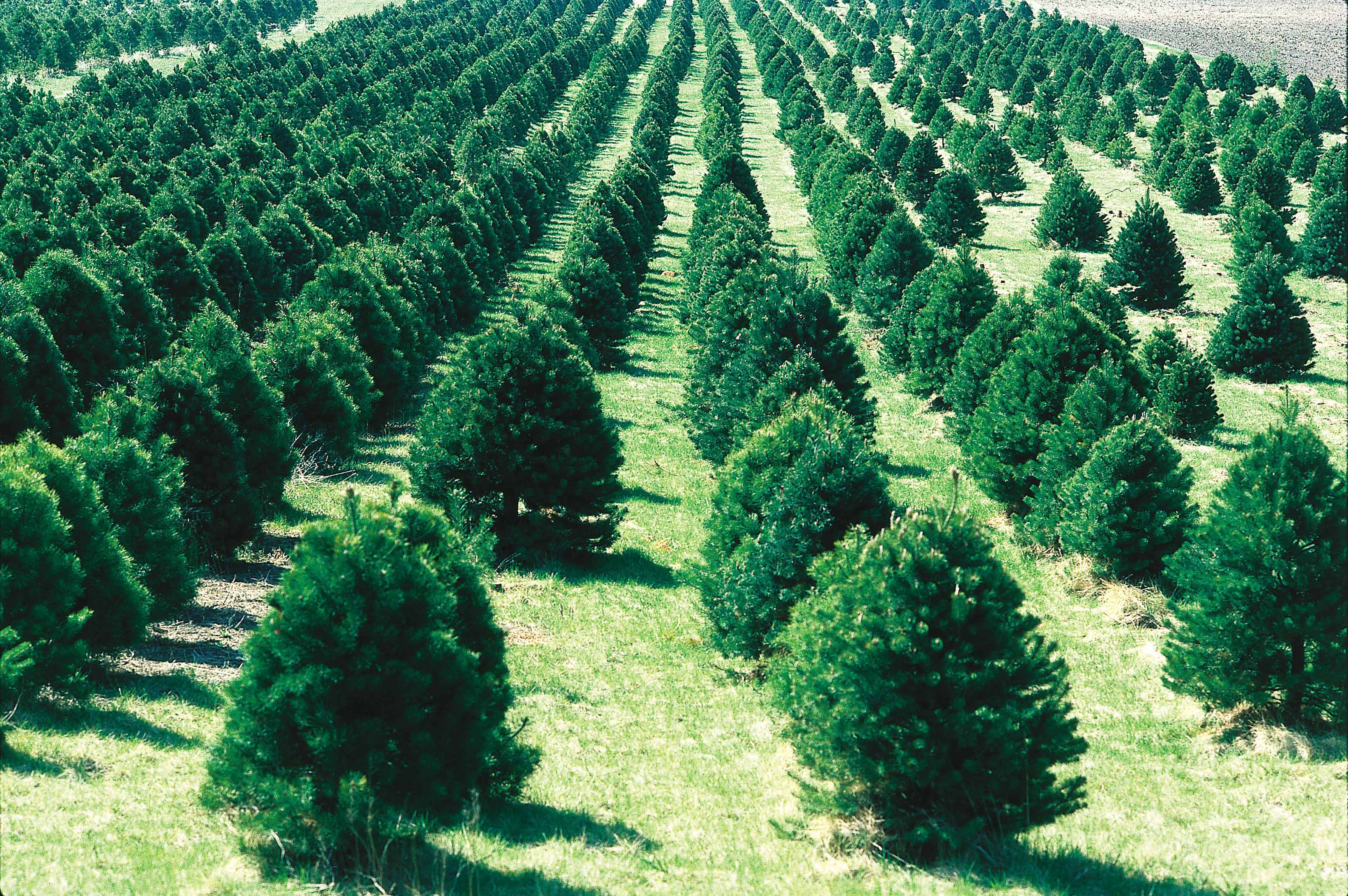
A Christmas tree farm in Iowa. Photo: WIkipedia
The debate about real versus artificial Christmas trees used to be all about authenticity versus convenience. But these days, it’s also about which tree is truly the most earth friendly. The debate rages on, starting up every year about this time. It never seems to be settled, because both options have their naughty and their nice aspects. Believe it or not, the first artificial Christmas trees were made from toilet brush bristles in the 1930s by the Addis Brush Company, true – and eww! But don’t worry, most of today’s trees are made from metal and PVC, a petroleum based plastic product.… Read More

Tips for Preventing The Time Change From Affecting Your Health

Don't forget to "fall back" this weekend on Saturday, Nov. 1.
This weekend we change our clocks from Daylight Time to Standard Time in the U.S. and Canada (unless you’re reading this from Arizona, Hawaii, four U.S. territorial islands or a few small spots north of the border). Before going to bed on Saturday, November 1, turn your clocks BACK one hour. You’re welcome. Our public service announcement for the week is concluded. Now for our safety message: Next week, be extra careful commuting, especially driving home. The transition to standard time increases motor vehicle accidents, especially fatal accidents and pedestrian vs. car accidents. It is estimated that sticking with daylight time year-round would prevent 195 deaths from car accidents, and another 171 pedestrian fatalities.… Read More

The Top Ten Plants for Cleaning Your Air

The sturdy Golden Pothos makes our Top Ten list. Photo: Elvis Ripley, Flickr
If you read our blog regularly (and we hope you are!), you know Good Earth Plants is always looking for new ways plants can benefit you. One of the most important ways is to keep the air in your interior environment at work and home cleaner. Plants work their magic in part by absorbing toxins into their leaves. When plants scrub these toxins out of the air by processing them through photosynthesis, you don’t process them by breathing them into your lungs. There isn’t another indoor environment with more concern about keeping its air clean than a space ship, space shuttle, or space station.… Read More

Our Biophilia Connection to Nature

Nature with waterfall
At some time in life, we all become interested in something new and different. Maybe we take up making sushi or read a book on building a treehouse and get inspired to make one. For me I am intrigued by the word biophilia. I got interested in it years ago and whenever I see an article about it I think…hey! I was thinking about that years ago! Your next question might be: what is biophilia? And why does it haunt Jim Mumford? Here’s my best shot at a definition. Biophilia is basically an appreciation of life, nature, science and the living world.… Read More